

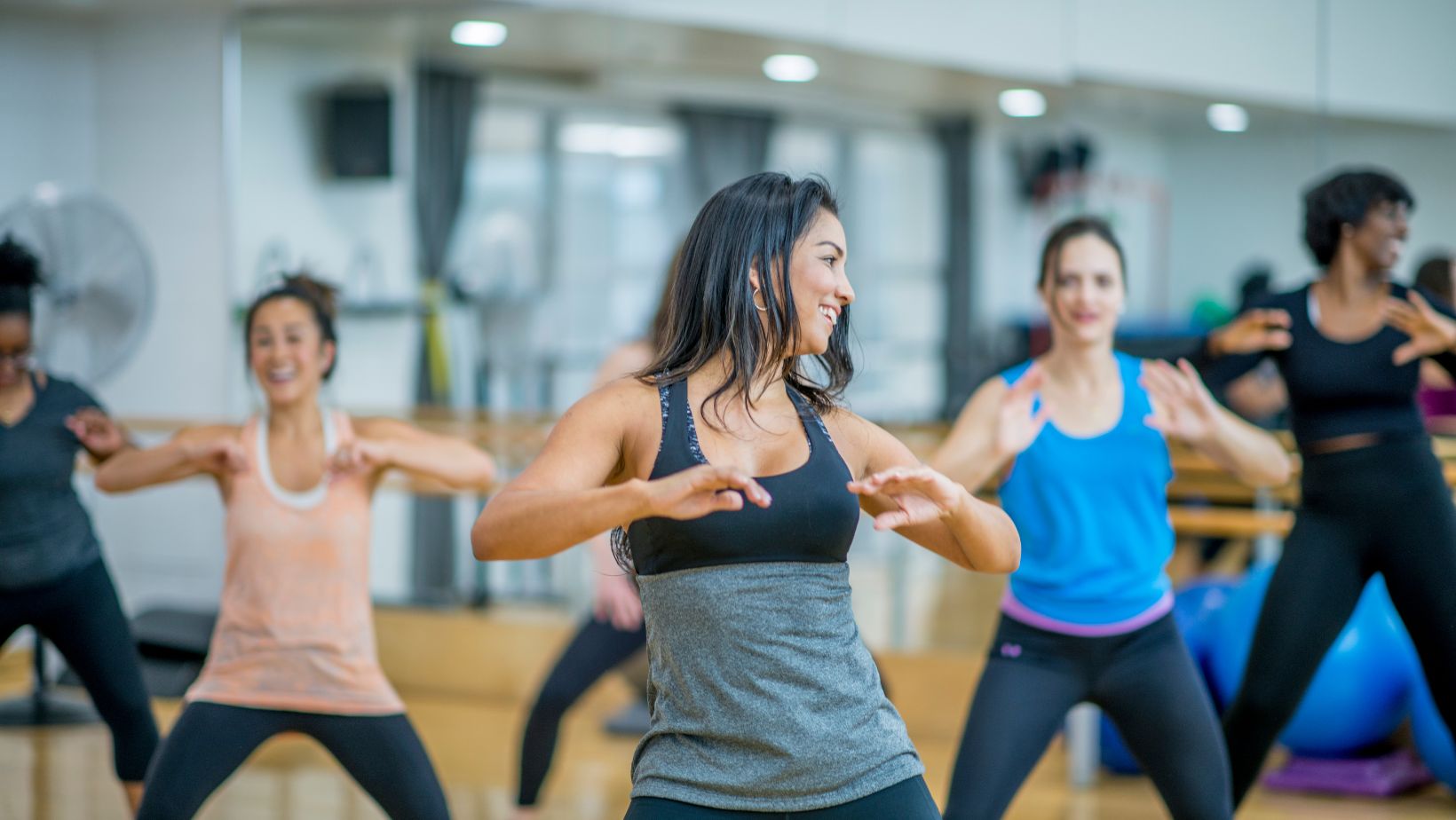
Dance classes are more than just fun. They are one of the easiest ways to improve your physical and mental health without feeling like you are exercising. You move to music, learn new steps, and meet new people — all while getting healthier.
Let us explore the health benefits in a simple, clear way.
Dance Helps Your Heart Stay Strong
First, dancing is excellent for your heart. When you move to music, your heart rate increases. This strengthens your heart muscles and improves blood circulation.
Next, regular dance classes can help lower your risk of heart disease. They increase stamina and make daily physical activity easier. You may notice you breathe better and get tired less often.
After that, dancing helps control blood pressure. It also supports healthier cholesterol levels, which is important for long-term heart health.
Dance Helps You Maintain a Healthy Weight
Dance burns calories. A one-hour class can burn as much as walking, jogging, or cycling.
Then, because dancing is fun, you are more likely to stick with it. Many people struggle to keep up with gym routines, but dance feels enjoyable instead of repetitive.
As you keep going, your body becomes stronger and leaner. You build muscle and lose fat at the same time.
Finally, dance boosts your metabolism. This means your body continues burning calories even after the class ends.
Dance Improves Balance and Coordination
When you learn dance steps, your brain and body work together. You move your arms, legs, and torso in specific ways while listening to the beat.
Next, this improves your balance. You learn to control your movements more smoothly. This is helpful for everyday tasks like walking, climbing stairs, or carrying groceries.
Then, your coordination improves. You react faster, move more confidently, and reduce your risk of falls — especially important as you get older.
Dance Makes Your Muscles and Bones Stronger
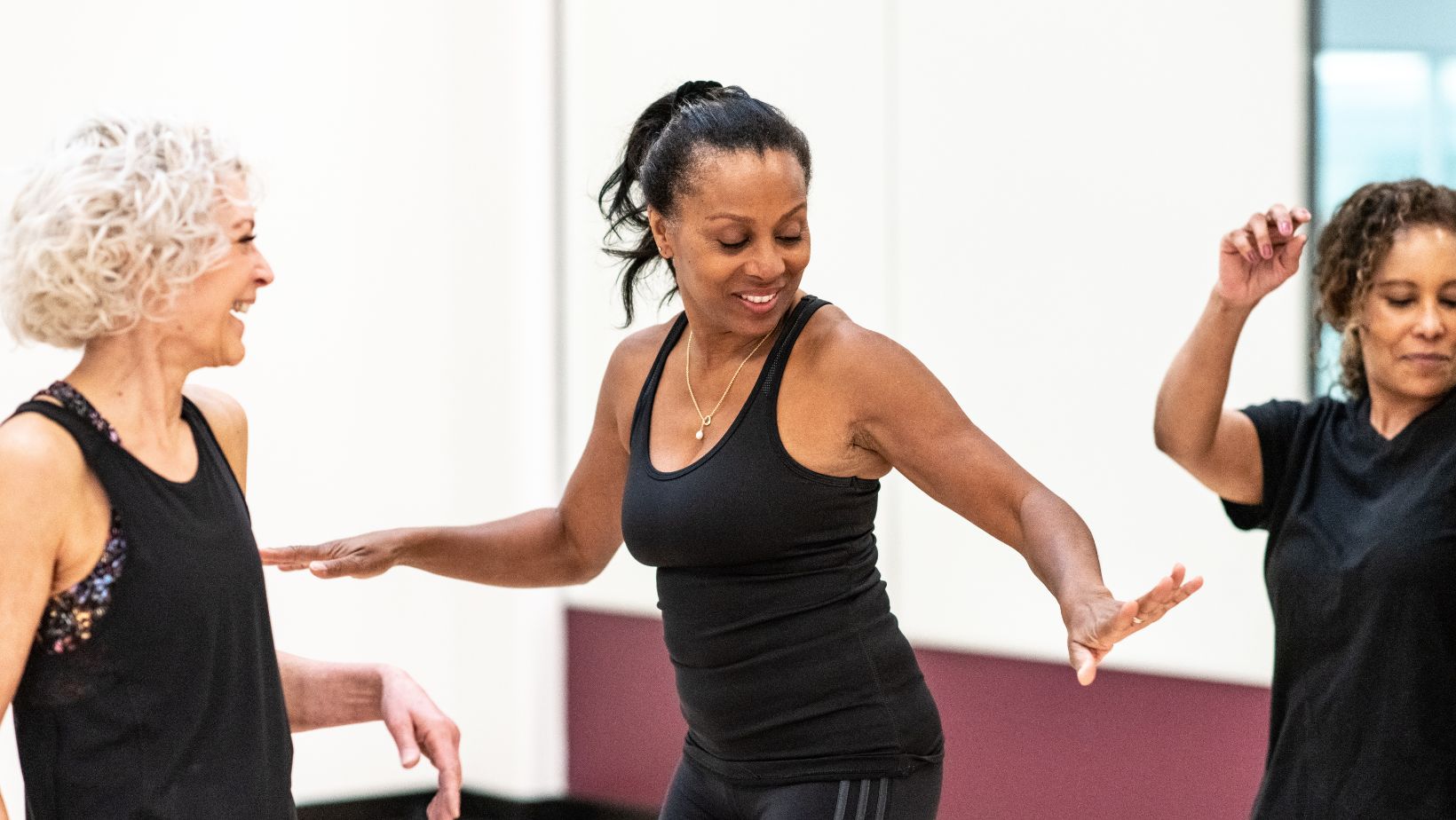
Dance uses many muscles at once. Your legs, core, arms, and back all work together. Over time, this builds strength.
Next, dancing increases flexibility. Movements become easier, and you experience less stiffness. This helps reduce aches and pains in joints and muscles.
After that, dance supports bone health. Weight-bearing movements strengthen bones and reduce the risk of osteoporosis.
Dance Reduces Stress and Boosts Your Mood
When you dance, your brain releases “feel-good” chemicals such as endorphins and dopamine. These chemicals help reduce stress and improve your mood.
Next, music adds another layer of happiness. Rhythms and melodies naturally calm the mind and lift your spirits.
Then, dance classes provide a healthy break from daily responsibilities. For one hour, you focus only on the music and the movement.
Finally, dancing can help improve sleep. When you feel relaxed and less stressed, it becomes easier to fall asleep and stay asleep.
Dance Supports Brain Health
Learning choreography challenges the brain. You memorize steps, rhythms, and patterns.
Next, this strengthens memory and concentration. You train your brain to think faster and stay focused.
After that, dance may reduce the risk of cognitive decline as you age. Studies show that mentally engaging activities like dance help keep the brain active and sharp.
Dance Helps You Build Social Connections
Dance classes bring people together. You learn, laugh, and move as a group.
Next, this helps build confidence. You meet new people, share progress, and support each other.
Then, social interaction reduces loneliness and boosts emotional well-being.
Finally, you feel part of a community — something that is important for long-term happiness.
Final Thoughts
Dance classes offer a full-body workout and a powerful mental boost. They help your heart, muscles, and bones. They improve balance, flexibility, and memory. They reduce stress and bring joy.
If you want a healthy activity that feels fun instead of tiring, dance is one of the best choices you can make.
With each step, you strengthen your body and brighten your mood — and that is the real beauty of dance.