

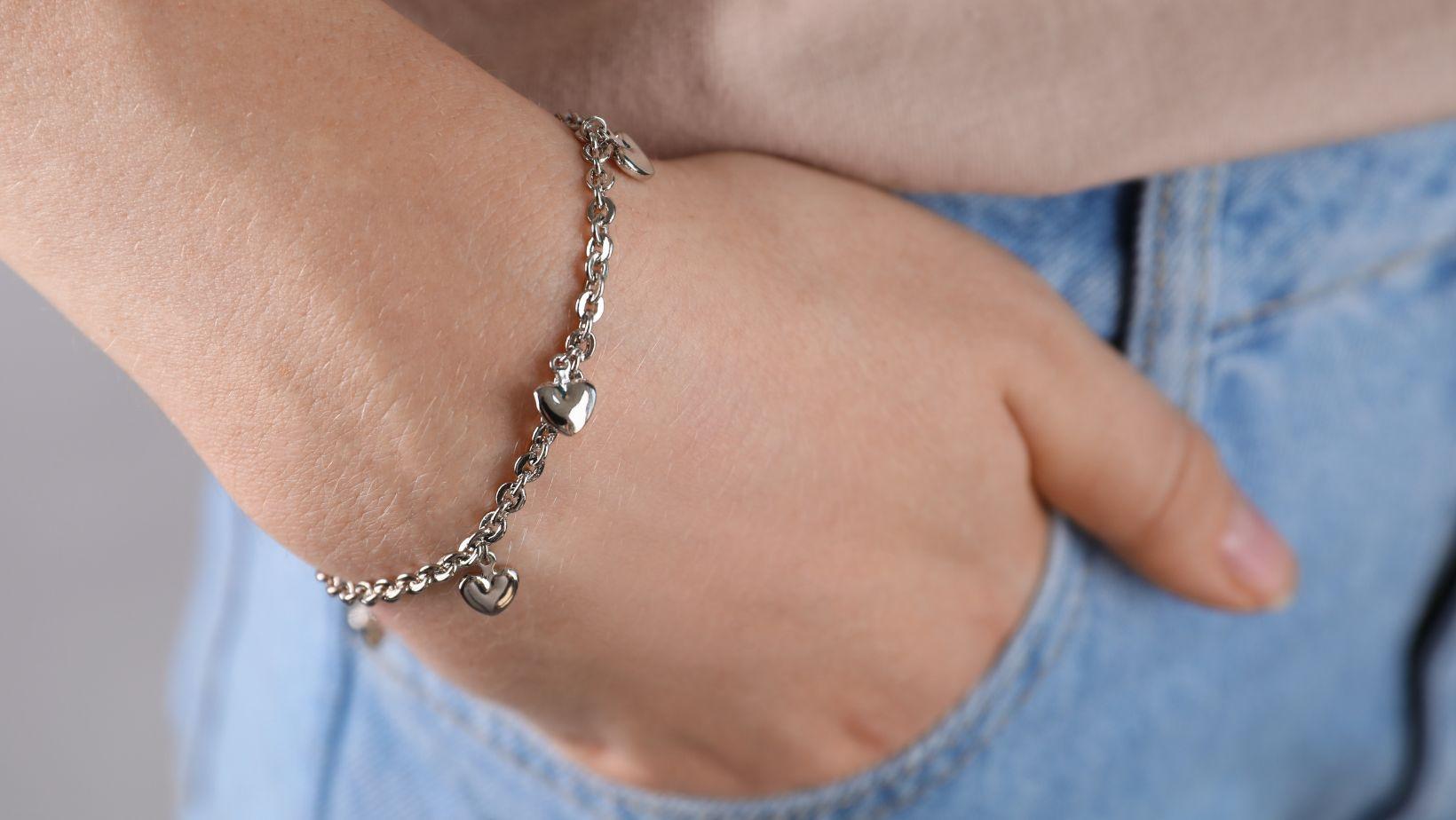
The benefits of wearing a silver bracelet include natural antimicrobial properties, hypoallergenic skin comfort, and a versatility in styling that very few other metals can match. For men, a solid 925 sterling silver bracelet functions as a practical daily accessory, a long-term investment, and a consistent style anchor that works across every dress code without requiring rotation or adjustment.
A silver bracelet earns its place on the wrist more reliably than almost any other accessory a man can choose. It requires no matching, no particular occasion, and no maintenance beyond occasional polishing. The benefits of wearing a silver bracelet go further than convenience, and understanding them changes not just whether you buy one, but which one you buy and how you wear it.
The Physical Benefits of Silver as a Material
Before the styling conversation, there are the inherent properties of silver itself. These are measurable characteristics of the metal that have practical relevance for anyone wearing a bracelet against the skin for hours each day.
Antimicrobial Properties
Silver’s antimicrobial properties are among the most scientifically supported benefits of wearing a silver bracelet, and they are grounded in real material science rather than tradition alone. Silver has been used in medical contexts for centuries, from wound dressings and burn treatment to surgical instrument coatings, precisely because silver ions interfere with the cellular processes of bacteria and slow their growth. For a bracelet worn daily against the wrist, the effect is mild compared to clinical applications, but the underlying property is genuine and distinguishes sterling silver from metals that offer no comparable benefit. For men wearing a bracelet through a full working day, this is a quietly practical advantage.
Hypoallergenic and Skin-Compatible
One of the most consistently underrated benefits of wearing a silver bracelet is how well 925 sterling silver behaves against the skin over extended periods. Nickel, brass and most base metals used in plated jewellery are common causes of contact dermatitis, producing redness, irritation and discolouration with sustained wear. Sterling silver, composed of 92.5% pure silver and a small copper alloy, does not carry those risks. For men with sensitive skin, or those who have encountered reactions to cheaper pieces in the past, switching to a hallmarked sterling silver bracelet removes the source of irritation without any compromise on appearance.
Natural Cooling and Thermal Comfort
Silver holds the highest thermal conductivity of any common metal, and the practical effect of this on a bracelet worn against the wrist is a cool, responsive feel that adjusts relatively quickly with ambient temperature rather than retaining heat in the way that brass, stainless steel or base metals tend to do. This is a physical property of the material, not a belief or tradition, and it is one of the reasons men who move between indoor and outdoor environments across a working day find sterling silver more comfortable in sustained daily wear than comparable pieces in other metals. The difference is most noticeable in warmer months.
How to Choose a Quality Silver Bracelet
The benefits of wearing a silver bracelet are only available if the piece itself is genuine. Choosing well means understanding what separates solid sterling silver from its imitators, and what design characteristics determine whether a bracelet can actually sustain daily wear.
Start with the 925 Hallmark
The 925 stamp is the most reliable indicator that a bracelet is made from genuine sterling silver and not a plated or base metal alternative. It confirms that the piece is composed of 92.5% pure silver, which is the international standard required to deliver the antimicrobial, hypoallergenic and thermal properties associated with the metal. A bracelet without this mark cannot honestly claim those benefits, regardless of its appearance or price. On chain bracelets, the stamp is typically found on the inner surface of the clasp or pressed into a link adjacent to the fastening. On cuffs and bangles, it sits on the inside of the band. Knowing where to look and what to verify before purchase is the first practical step toward accessing the genuine benefits of wearing a silver bracelet rather than a convincing substitute.
Design and Construction for Daily Wear
Beyond the hallmark, the design of the bracelet determines how well it translates those material benefits into sustainable daily use. Band weight and thickness affect how the piece sits on the wrist and how it tolerates the friction of everyday contact with surfaces and clothing. A clasp that closes securely without excessive force is a practical indicator of overall construction quality. Surface finish also matters: a polished sterling silver bracelet develops an even patina with wear that adds depth and character over time, whereas a piece with inconsistent or thin finishing tends to show wear unevenly and earlier than expected. A well-constructed piece in solid sterling silver improves with age rather than diminishing under it.
What to Avoid
Several warning signs indicate that a bracelet will not deliver the benefits of wearing a silver bracelet in any meaningful sense. The absence of a visible 925 hallmark is the most immediate. A price point that seems low relative to the weight and size of the piece suggests either thin plating or a base metal core. Edges and clasp areas that already show a different colour beneath a silver surface indicate that plating is minimal and will expose the base metal within weeks of daily wear. A surface that flakes or peels under gentle pressure is base metal, not tarnish, and tarnish on genuine sterling silver always wipes away cleanly without removing material. These distinctions are visible at the point of purchase with a small amount of attention.
How Silver Compares to Other Metals for Daily Wear
Choosing sterling silver becomes easier with a direct comparison. Not all metals perform equally over months and years of daily contact with skin, weather and the ordinary demands of a working day.
|
Metal |
Skin Comfort |
Style Versatility |
Lifespan (Daily Wear) |
|
Sterling Silver (925) |
High — hypoallergenic |
Very high |
Decades with basic care |
|
Gold-plated base metal |
Low — base metal exposure |
Moderate |
6 to 18 months |
|
Stainless steel |
High |
Moderate — reads as sportswear |
Very high |
|
Brass / copper |
Low — causes discolouration |
Low |
Poor |
How to Style a Silver Bracelet
Once chosen well, the styling benefit of a silver bracelet is largely self-managing. A few principles make the difference between a piece that reads as considered and one that simply sits on the wrist without contributing to the overall look.
Wearing It Alone
The most confident way to wear a silver bracelet is without anything alongside it. A well-designed piece in solid sterling silver does not need companions to read as intentional; its restraint communicates the quality of the material more directly than any stack could. This approach is particularly effective for men who are not habitual jewellery wearers, because a single piece placed correctly on the wrist registers as a deliberate choice rather than a habit. Men looking for a bracelet strong enough to carry the wrist alone will find the right starting point in the Men’s Bracelets collection at NineTwoFive, where the construction quality means the piece earns its place without needing support from anything alongside it.
Stacking and Mixing Metals
The benefits of wearing a silver bracelet in a stack come from using it as an anchor rather than as one element among equals. A sterling silver bracelet worn as the primary piece, with a leather cord or a thinner gold accent alongside it, reads as considered because the hierarchy is clear. The silver leads, the second piece supports, and the combination reads as something built over time rather than assembled for an occasion. The principle that makes stacking work is finish consistency: a polished silver bracelet pairs most naturally with other polished or semi-polished pieces rather than matte or brushed ones, because shared surface language ties the combination together. NineTwoFive designs each piece with this kind of compatibility in mind, so that any bracelet in the collection works as well independently as it does as part of a deliberate combination.
Final Thoughts
The benefits of wearing a silver bracelet are practical, material, and cumulative. The metal itself is antimicrobial, skin-friendly and thermally responsive. The right choice begins with a 925 hallmark and construction built for daily use. And the styling benefit asks very little once the foundation piece is right. Choose carefully once, and the bracelet earns back that attention every day it is worn.