

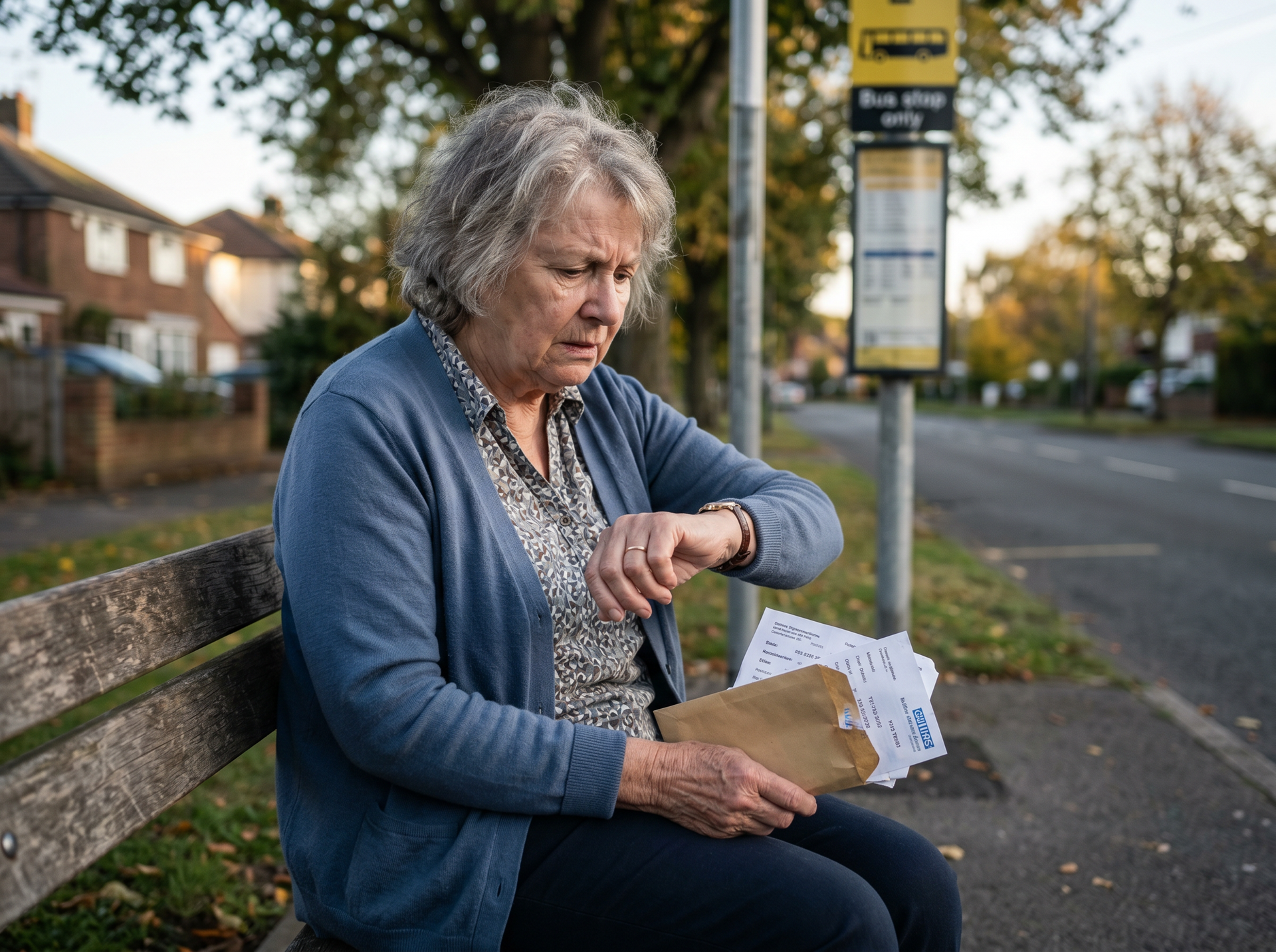
Transportation is rarely the first thing that comes to mind when discussing healthcare quality, yet it is one of the most consequential factors shaping whether people actually receive the care they need. A missed appointment here, a delayed specialist visit there – individually these might seem like minor inconveniences, but over time they accumulate into patterns that seriously affect health outcomes. The connection between reliable transport and personal wellbeing is stronger than most people realise, and understanding it is essential for anyone working to improve healthcare access across Australia.
Common Transport Barriers People Face Every Day
For a large number of Australians, arranging transport to a medical appointment is not straightforward. Those without a private vehicle must depend on public transport systems that are often infrequent, inaccessible for people with mobility limitations, or simply non-existent in rural and regional areas. Even in cities, navigating buses or trains while managing a health condition, carrying medical equipment, or recovering from a procedure can be physically demanding and genuinely unsafe without support.
Geographic distance compounds these challenges considerably. Patients living outside major urban centres may face long travel times to reach a GP, let alone a specialist. When the nearest relevant service is an hour or more away, even a single appointment becomes a significant undertaking. Many individuals rely entirely on family members or informal carers to facilitate their travel, and when that support is unavailable due to work commitments or other responsibilities, appointments are cancelled and care is deferred with consequences that extend well beyond the missed visit itself.
How Transportation Challenges Affect Healthcare Access
The practical effect of transport barriers on healthcare access is direct and well documented. When people cannot reliably get to their appointments, they miss them – and the downstream impact of that missed attendance is often far greater than it appears in the moment. Diagnoses are delayed, allowing conditions to progress to more advanced and harder-to-treat stages. Ongoing therapies for conditions such as chronic pain, mental health, or post-surgical recovery are interrupted, undermining the continuity that makes treatment effective. Specialist consultations that require long-distance travel are postponed repeatedly until a situation becomes urgent. Preventative care, which depends on consistent attendance to deliver its benefits, is abandoned altogether by those for whom regular travel is simply not manageable.
The Wider Impact On Patients & Families
The consequences of transport-related healthcare gaps extend beyond clinical outcomes and affect the broader lives of patients and those closest to them.
- Persistent uncertainty about getting to appointments creates ongoing stress and anxiety, which itself has measurable negative effects on physical and mental health.
- Delayed or incomplete treatment leads to greater health complications, increasing the severity and cost of care required down the line.
- Family members and informal carers absorb significant emotional and financial pressure when they become the primary means by which a loved one accesses medical care.
- Individuals who cannot travel independently experience a reduction in autonomy and confidence that diminishes their overall quality of life.
- Over time, repeated barriers erode a person’s willingness to engage with the healthcare system at all, creating long-term disengagement that is difficult to reverse.
Why Vulnerable Communities Are Most Affected
Not everyone experiences transport barriers equally. Older adults and seniors are disproportionately affected, particularly those who have stopped driving and live alone without nearby family. People living with disabilities face additional layers of complexity, including the need for accessible vehicles and support during travel that standard transport options simply do not provide. Individuals managing chronic health conditions – who often require the most frequent contact with healthcare services – are also among the most vulnerable to the cumulative effects of transport disruption. For these groups, a gap in transport is not a minor inconvenience; it is a significant healthcare risk.
Addressing Transport Barriers Through Better Support & Services
Closing the gap between patients and the care they need requires deliberate action at multiple levels.
- Community-based transportation initiatives, including volunteer driver programmes and subsidised travel schemes, provide practical support for individuals who lack other options and help reduce reliance on overburdened informal carers.
- Dedicated non-emergency patient transport services offer a structured, professional solution for patients who require more support than standard transport can provide, ensuring they reach appointments safely and with appropriate assistance.
- Improved accessibility planning by healthcare providers, local councils, and government bodies can reduce systemic gaps by integrating transport considerations into the design of healthcare delivery rather than treating them as an afterthought.
For patients in Victoria, access to non urgent patient transport services through qualified providers ensures that mobility challenges do not prevent consistent care. When individuals and families can easily hire medical transport service providers with the right experience and equipment, the barrier between intention and attendance is meaningfully reduced.
Conclusion
Small transport barriers rarely stay small. Left unaddressed, they accumulate into patterns of missed care, delayed treatment, and declining health that are far more costly to manage than the original access challenge ever was. Improving transportation access is not a peripheral concern for the healthcare system – it is central to delivering on the promise of equitable, effective care for all Australians. NurseLink Healthcare recognises this reality and supports patients across the country with professional, compassionate transport and homecare services that ensure no one is left without the care they need simply because getting there was too difficult.