

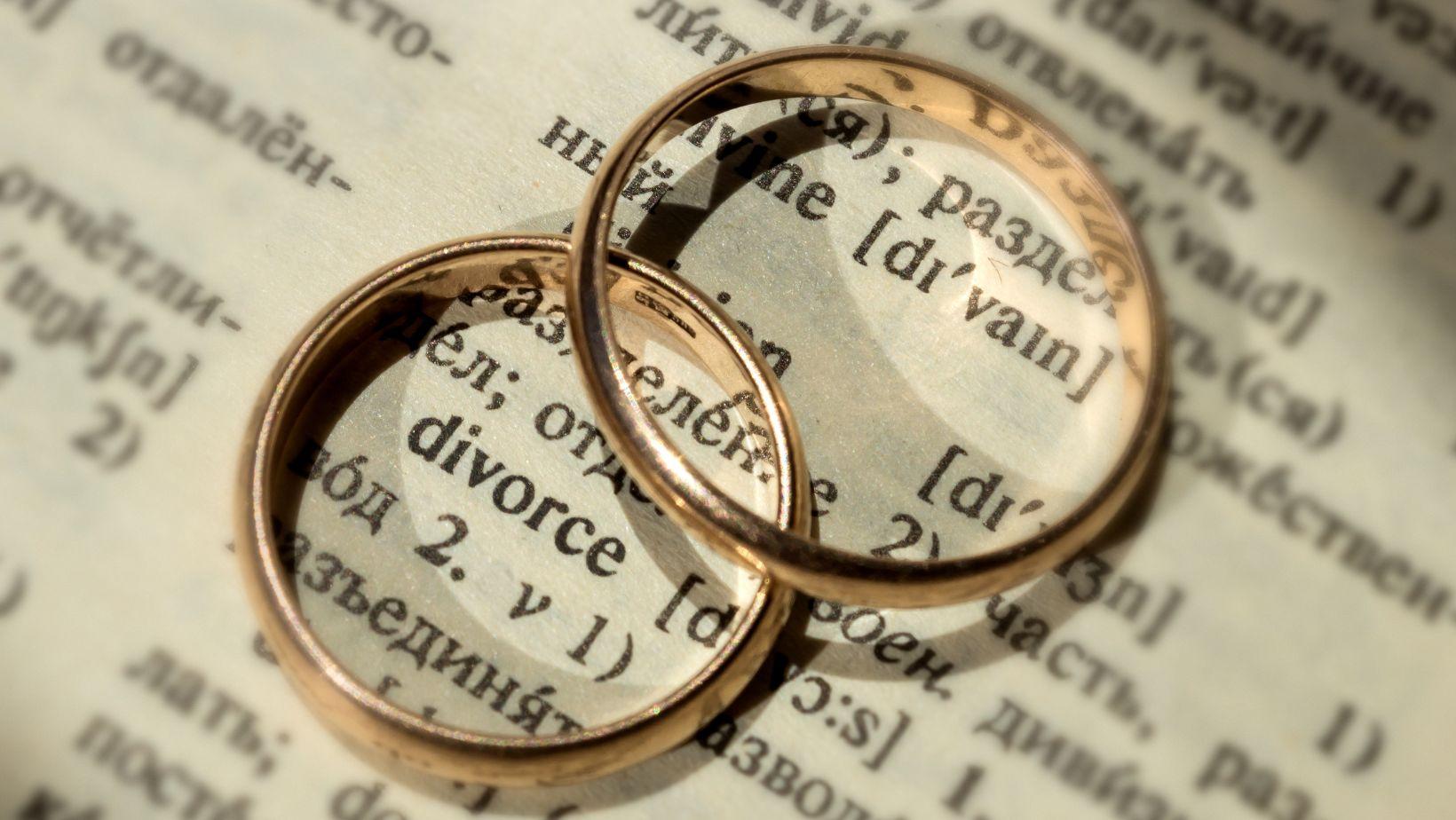
The Meaning of Divorce
Divorce is the legal and emotional ending of a marriage between two people. It is often one of the most difficult experiences a person can go through because it changes many aspects of life, including relationships, finances, routines, and family structure. Although divorce can be painful, it may also provide relief in situations where a marriage has become unhealthy or unhappy. In modern society, divorce is much more common than it was in previous generations, and attitudes toward it have become more understanding. Many people now view divorce not only as the end of a relationship but also as an opportunity for a fresh start and personal growth.
Common Causes of Divorce
There are many reasons why marriages end in divorce. One of the most common causes is poor communication between partners. When couples fail to express their thoughts and emotions honestly, misunderstandings and resentment can grow over time. Financial stress is another major factor that can damage relationships, especially when couples disagree about spending habits, debt, or long-term financial goals. Infidelity also contributes to many divorces because it breaks trust, which is an essential part of a healthy marriage. In some cases, couples simply grow apart as their values, interests, and life goals change over time. Emotional neglect, constant arguments, and lack of respect can slowly weaken a relationship until separation feels unavoidable.
Emotional Effects on Couples
Divorce can have a deep emotional impact on both partners. People often experience sadness, anger, anxiety, loneliness, or guilt during and after the separation process. Even when divorce is necessary, it still represents the loss of a shared future and the ending of an important emotional bond. Some individuals struggle with low self-esteem or fear about starting over alone. The emotional stress may also affect mental health, sleep, and daily routines. However, many people gradually recover by seeking support from friends, family members, or therapists. Over time, they often develop greater independence, confidence, and emotional strength.
The Impact of Divorce on Children
Children are frequently affected by divorce because changes within the family can create confusion and emotional stress. They may feel responsible for their parents’ separation or worry about the future. Adjusting to different homes, schools, or custody arrangements can be challenging. However, experts believe that children often adapt better in peaceful separated households than in homes filled with constant conflict and tension. Parents who communicate respectfully and focus on their children’s emotional needs can help reduce the negative effects of divorce. Providing stability, reassurance, and emotional support is extremely important during this transition.
Legal Procedures and Support
The legal process of divorce can sometimes be complicated and stressful. Couples may need to make decisions about property division, child custody, financial support, and living arrangements. In many cases, professional guidance is necessary to ensure that both sides are treated fairly. Experienced legal services for divorce can help individuals understand their rights, prepare documents, and navigate court procedures more effectively. Some couples choose mediation instead of lengthy court battles because it encourages cooperation and reduces conflict. A peaceful legal process often saves time, money, and emotional energy for everyone involved.
Financial Challenges After Divorce
Divorce can create significant financial difficulties for both partners. Maintaining separate households is usually more expensive than sharing one home, and legal costs may add further pressure. Some individuals may need to adjust to a lower income or take on new financial responsibilities. In addition, decisions about child support or property division can become sources of disagreement. Careful budgeting and financial planning are important after divorce because they help individuals rebuild stability and independence. Many people eventually learn valuable lessons about managing money and planning for the future.
Social Changes and Modern Attitudes
Society’s attitude toward divorce has changed greatly over the years. In the past, divorced individuals were often criticized or judged harshly by their communities. Today, many cultures recognize that ending an unhealthy marriage may be necessary for emotional well-being and personal safety. Social media and modern technology have also influenced relationships and divorce in different ways. While technology can create misunderstandings or jealousy, it can also provide support through online counseling services and support groups. These changing social attitudes have helped reduce the stigma surrounding divorce.
Personal Growth After Divorce
Although divorce is difficult, it can also lead to personal growth and self-discovery. Many individuals use the experience as an opportunity to rebuild their lives and focus on their personal goals. They may develop new hobbies, pursue education, strengthen friendships, or improve their mental and physical health. Divorce often teaches people valuable lessons about communication, trust, and emotional resilience. With time and support, many divorced individuals create happier and healthier lives for themselves and their families.
Conclusion
In conclusion, divorce is a complex life event that affects emotions, finances, families, and future relationships. It can bring pain, stress, and uncertainty, but it can also create opportunities for healing and positive change. Understanding the causes and effects of divorce helps people approach the subject with empathy and maturity. While the process is rarely easy, many individuals eventually recover and move forward with greater strength and wisdom. Divorce may mark the end of one chapter in life, but it can also become the beginning of a new and more fulfilling future.